Uganda in three treks and one boat.
Which gorilla trip actually gets you a permit and a sane drive. Whether the Murchison launch really runs to the foot of the falls. What a rhino morning on foot costs. Priced, rated and reviewed one trip at a time.
Uganda makes you pick: the gorillas, the falls, or the lions in the fig trees.
Almost every trip here is built around one of three days. An hour with a habituated gorilla family in Bwindi. The launch up the Victoria Nile to the foot of Murchison. Or the drive south through Ishasha, where the lions lie along the fig branches. A fortnight fits all three. A week fits two, and the road between them is longer than the map admits.
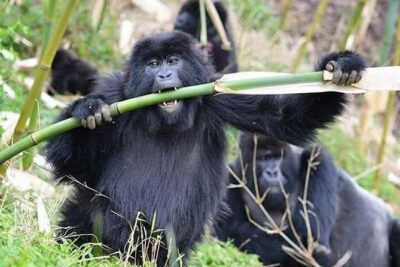
Gorilla trekking, Bwindi and Mgahinga
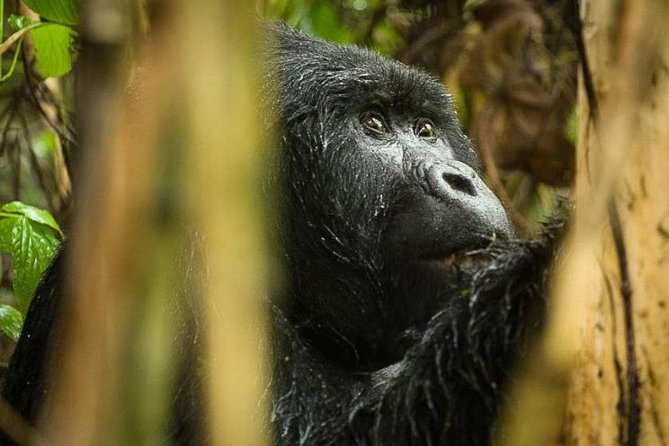
You are allocated one habituated family and one hour once the trackers find it. The walk in can be forty minutes or most of the day, and nobody knows which until the forest closes over the path.
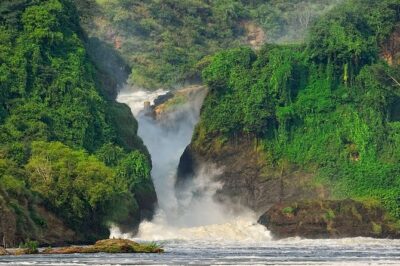
Murchison Falls, by launch and game drive
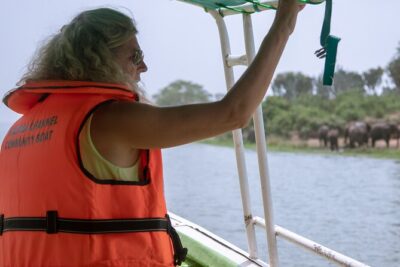
The whole Victoria Nile squeezes through a gap you could nearly jump and drops into the gorge below. The launch runs upriver to the foot of it, past hippo pods and crocodiles hauled out on the mud.
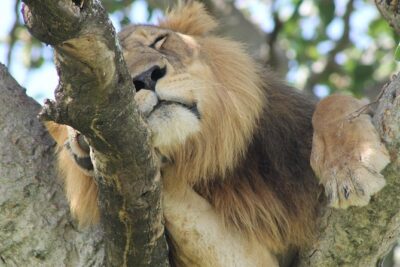
Queen Elizabeth, Kazinga and Ishasha
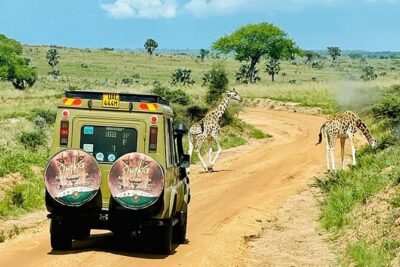
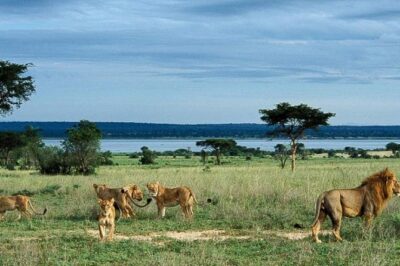
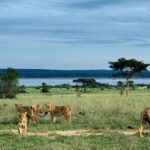
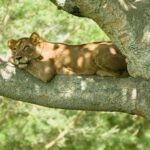
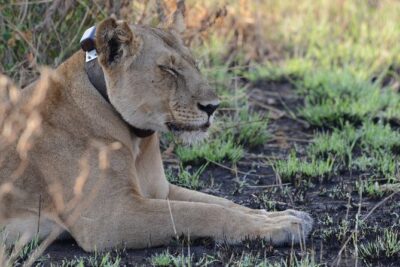
North of the channel it is craters and elephant; south in Ishasha the lions climb the fig trees and nobody has a settled explanation for why. Neither sector is a guarantee and both reward an early start.
Bwindi, Murchison, Kibale: where a Uganda trip actually goes.
The forest with the gorillas, the falls with the launch, the crater park with the tree lions, the sanctuary where you follow rhino on foot, and the capital most people fly into and skip.
At Murchison the whole Nile goes through a seven-metre gap.
Game drive the north bank at first light, take the launch upriver after lunch, and climb the path to the top of the falls if the ranger has the time. The delta run adds shoebill; Budongo forest on the way in adds chimps; Ziwa and its rhino sit on the road up from Kampala.
All 46 Murchison trips →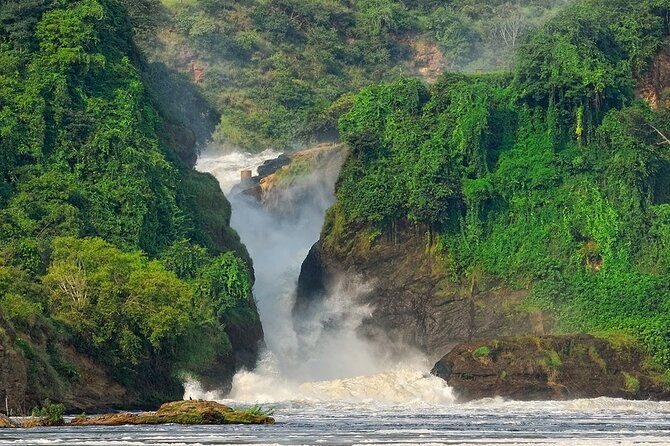
From a three-hour cycle on Lake Victoria to a fortnight in the parks.
Every review →One list, in the order travellers actually book it. Cheap Kampala mornings at one end, two-week Big-Five circuits at the other, and the gorilla days sitting in between.
 1
1
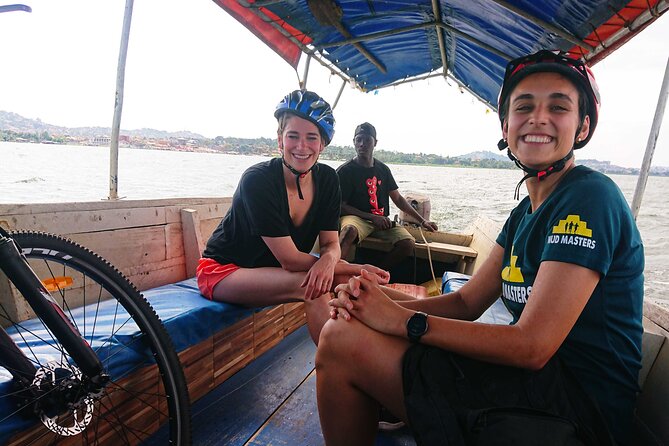
3 Hours Guided Cycling Tour Across Lake Victoria
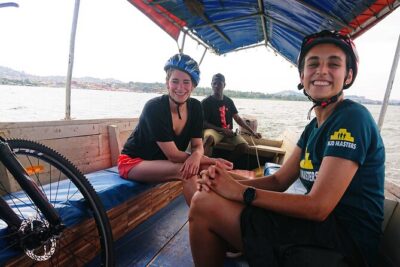
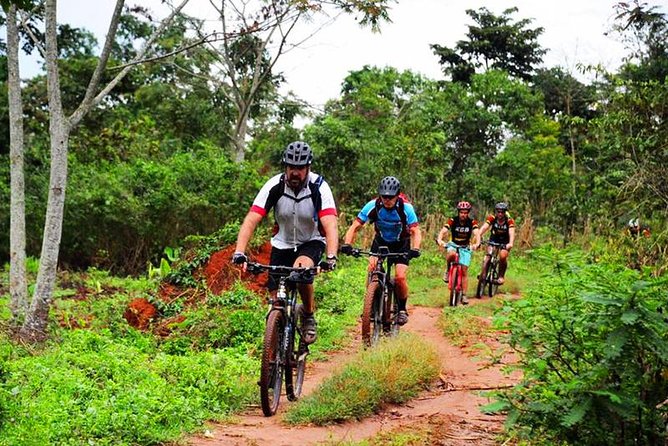
Guided bike ride from Kampala across Lake Victoria by boat, then 20 to 25 km of dirt trails with snacks and a soft drink.
From · $60
Read our review →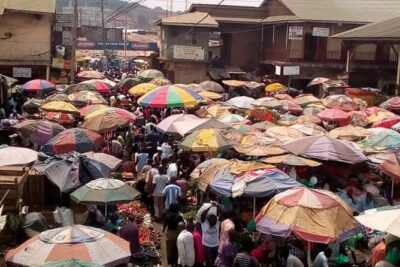 2
Kampala’s Best Experience walking tour
from $33
2
Kampala’s Best Experience walking tour
from $33
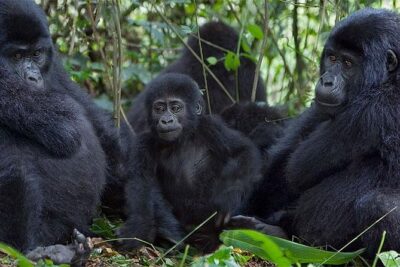 3
3 Days gorilla trekking Safari tour in Uganda
from $2,600
3
3 Days gorilla trekking Safari tour in Uganda
from $2,600
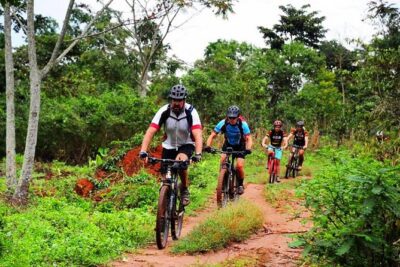 4
Lake Victoria Island Cycling Tour from Kampala
from $62
4
Lake Victoria Island Cycling Tour from Kampala
from $62
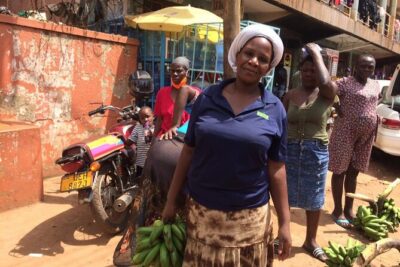 5
Kampala Walking City Tours (Women Guided)
from $34
5
Kampala Walking City Tours (Women Guided)
from $34
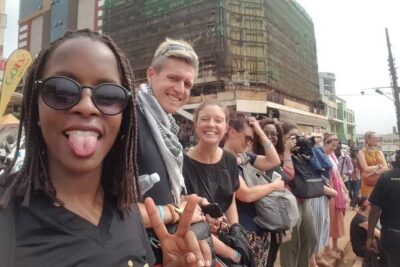 6
Kampala Walking Tour (3 Hours) with Optional Gaddafi Mosque Visit
from $32
6
Kampala Walking Tour (3 Hours) with Optional Gaddafi Mosque Visit
from $32
 7
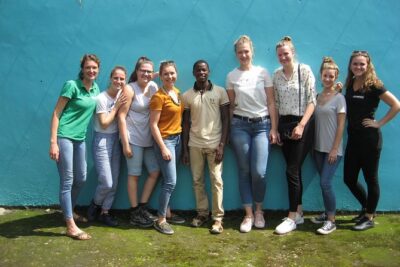
Steve Kampala Walking tours (Airpals Safaris tour)
from $28
7
Steve Kampala Walking tours (Airpals Safaris tour)
from $28
 8
8-Day Murchison Falls, Chimp and Epic Gorilla Trekking Safari
from $3,598
8
8-Day Murchison Falls, Chimp and Epic Gorilla Trekking Safari
from $3,598
A Kampala morning is thirty dollars. A gorilla permit is not.
Every trip on the site sorted by price. Uganda stays genuinely cheap right up to the forest gate, and then the permit decides the budget.
Walking tours of Kampala, boda circuits over the seven hills, cooking classes, and the cycle across to the Lake Victoria islands.
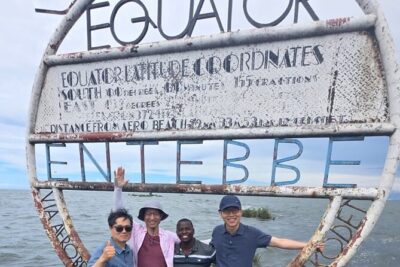
Day trips out of Entebbe and Kampala: shoebill mornings at Mabamba, the equator monument, tubing the Nile at Jinja.
The park circuits. Two days at Lake Mburo, three at Murchison, and every gorilla trip, permit included.
Kampala sits on seven hills and is nobody’s idea of a stopover.
Most itineraries treat the capital as an airport run. It has the best walking guides in the country, a boda network that will take you anywhere for pocket change, and a street-food trade that starts up as the traffic gives out.
Four countries have mountain gorillas. Uganda has the shoebill as well.
Half the world’s mountain gorillas live in one Ugandan forest. Every wild rhino in the country lives in one fenced sanctuary and is followed on foot. And in a papyrus swamp an hour from the airport stands a bird that looks assembled from spare parts.
The Bwindi Gorillas
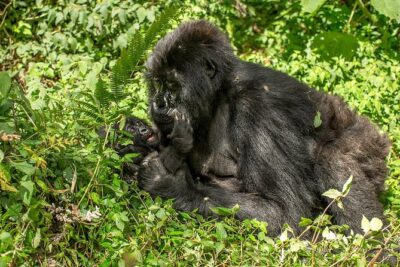
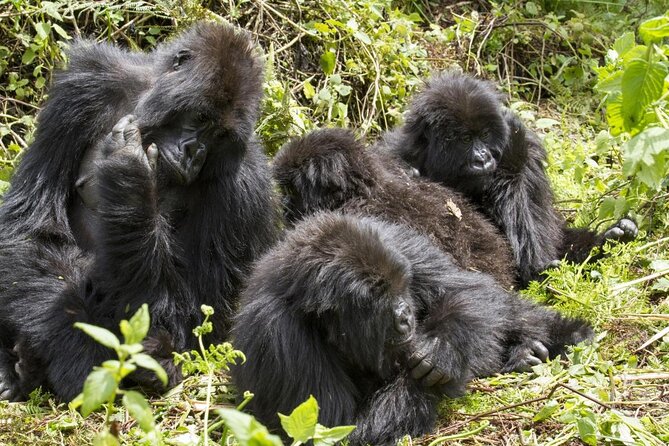
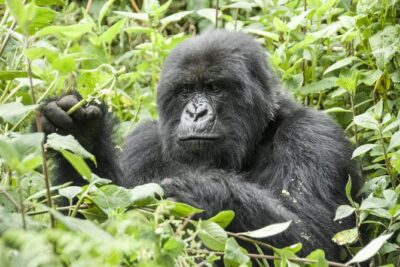
Bwindi Impenetrable Forest holds roughly half of all the mountain gorillas alive. A permit buys one hour with one habituated family, eight visitors at a time, and Uganda charges a good deal less for that hour than Rwanda does across the border. What no operator can price is the walk in: forty minutes on a kind day, most of a day on an unkind one, up gradients that earn the forest its name.
- 13 Days gorilla trekking Safari tour in Uganda★★★★★★★★★★ 5.0 · 121 reviews
- 28-Day Murchison Falls, Chimp and Epic Gorilla Trekking Safari★★★★★★★★★★ 5.0 · 72 reviews
- 35-Day Pearl of Africa Chimps and Gorilla Trekking Safari★★★★★★★★★★ 5.0 · 52 reviews
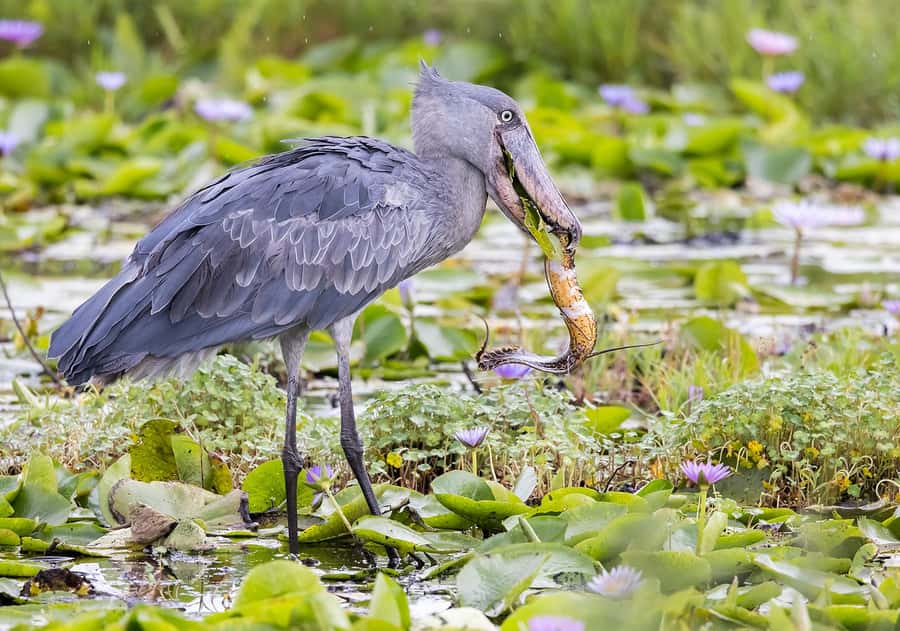
The Shoebill
A metre and a half tall, slate grey, prehistoric, and capable of standing motionless for twenty minutes at a stretch. Mabamba Bay is a papyrus swamp on Lake Victoria an hour from Entebbe, and the fishermen who pole the canoes through the channels know which stands the birds are using this month. Dawn is the trip and a dugout is the vehicle.
- 11-Day Mabamba Shoebill Birding Tour in Lake Victoria Entebbe★★★★★★★★★★ 4.9 · 7 reviews
- 21/2 Mabamba Swamp Shoebill Tour★★★★★★★★★★ 5.0 · 7 reviews
- 31 Day Best Mabamba Swamp Shoebill Birding Tour, Lake Victoria★★★★★★★★★★ 5.0 · 6 reviews
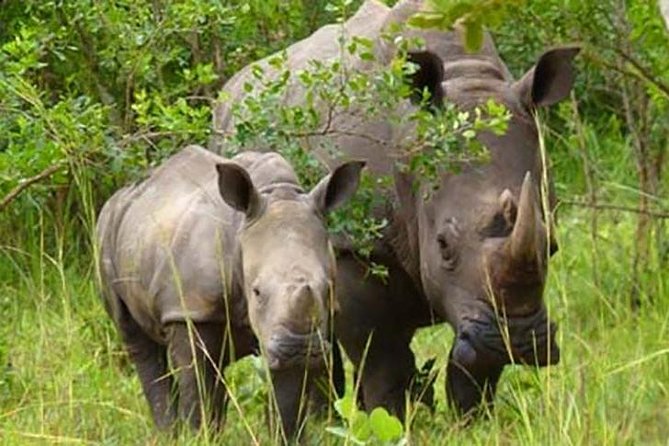
The Ziwa Rhinos
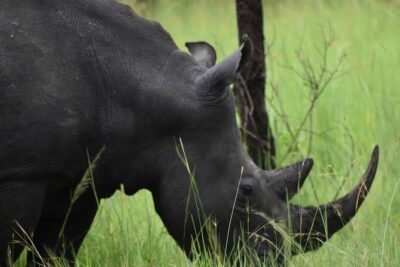
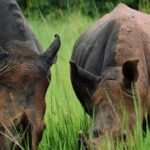
Uganda’s wild rhino were shot out by the early 1980s. Every southern white rhino in the country now lives at Ziwa, a fenced sanctuary on the road north to Murchison, and you follow them across the grass with a ranger rather than watching from a vehicle. It is the stop on the northern circuit people describe first when they get home.
- 13-Day Ultimate Big Five Safari – Murchison Falls & Rhinos★★★★★★★★★★ 5.0 · 55 reviews
- 2Ziwa Rhino Sanctuary★★★★★★★★★★ 5.0 · 40 reviews
- 3Day Tour Of Ziwa Rhino Sanctuary and Wildlife Ranch – ZIWA RHINO TREKKING★★★★★★★★★★ 4.5 · 10 reviews
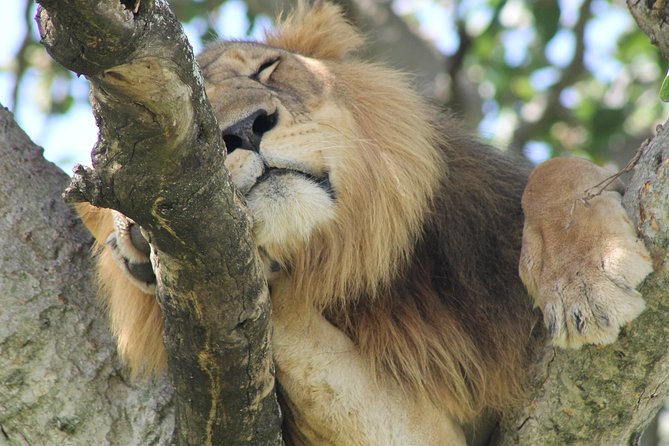
In Ishasha the lions climb the fig trees, and nobody agrees on why.
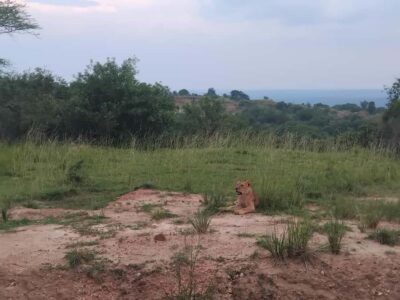
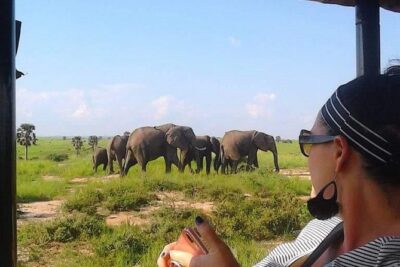
Queen Elizabeth runs from the crater field north of the Kazinga channel down to the fig country of Ishasha. The channel cruise puts you level with hippo and buffalo on the bank; the southern sector is the drive you make for the lions in the branches. Neither is a certainty, and both go better before nine in the morning.
- 12 Days Safari To Queen Elizabeth National Park with Cruisefrom $1,350
- 23 Days Wild Tour Queen Elizabeth National Park Safari Ugandafrom $1,300
- 3Private 3-Day Tour in Queen Elizabeth Park Safarifrom $885
Three things in Uganda that will not wait for your arrival.
Most of this country can be sorted from a Kampala guesthouse the night before. These cannot. Primate permits are issued in fixed daily numbers, and a multi-park circuit needs a vehicle and a driver-guide committed weeks out.
- 013 Days gorilla trekking Safari tour in UgandaPermits are capped per gorilla family per day. The June-to-September and December-to-February windows go first, and an operator without a held permit is selling you a hope.
- 028-Day Murchison Falls, Chimp and Epic Gorilla Trekking SafariKibale and Budongo run the same permit system in smaller numbers, and the dawn trek fills before the afternoon one.
- 033 Days Murchison Falls Adventure Wildlife Safari Uganda TourThe northern circuit runs on a 4x4 and a driver-guide, and the launch to the foot of the falls has fixed afternoon departures and a finite number of seats.
By park, forest and lake
 Bwindi15 trips
 Murchison Falls46 trips
 Queen Elizabeth11 trips
 Lake Mburo10 trips
 Ziwa10 trips
 Lake Bunyonyi6 trips
 Kampala235 trips
- Every trip in Uganda →
By kind of day, from three hours to a fortnight
Uganda’s long rains do not stop the gorillas. They stop the murram roads.
March to May, and again through October and November, the dirt turns. Trekking runs all year and the forest is wet whatever the calendar says, so the permit days hold. What goes is the driving: park transfers stretch and the Ishasha crossing can close for a day. The short, close-in trips are the ones the weather never cancels.
Entebbe to Bwindi, the way most first trips run it.
 Entebbe
Latest Uganda trip reviews.
All recent →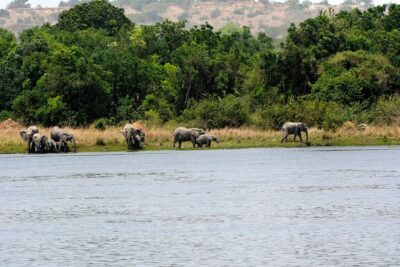
4-Day QENP, Gorillas in Bwindi and Lake Bunyonyi relaxation
Read our review →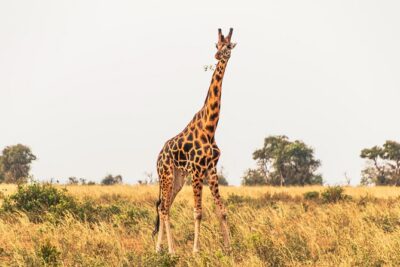
3 Days Private Tour in Murchison Falls National Park
Read our review →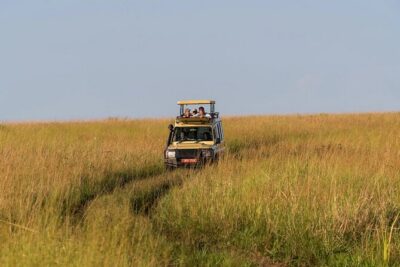
Mountain Rwenzori Trekking Uganda 9 Day Safari
Read our review →

7-Day Uganda Adventure Safari – Midrange Lodges
Read our review →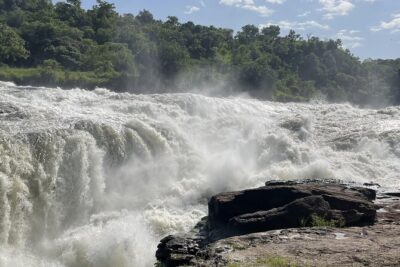
Private 5-Day Kidepo Valley and Murchison Falls National Parks
Read our review →