
Reviewed · KAMPALA CITY WALKS
Kampala guided walking tour
Kampala is one of those cities you understand faster on foot. This guided walking tour turns the usual chaos into a clear route, with stops that explain how people live, pray, trade, and remember. I like how you move from landmark to landmark without it feeling like a checklist, and I especially like the street-level market time that shows Kampala’s daily rhythms. One thing to consider is that some major stops require entry fees and dress code, so you’ll want a bit of cash ready.
You’ll also get a guide who’s great at keeping things human, not rushed. In multiple experiences, Fatumah has been described as welcoming, patient, and careful about safety, plus willing to adjust when needs come up. If you hate walking, or you want zero extra payments for attractions, this may feel a little pay-as-you-go.
Key Things That Make This Kampala Walk Worth Your Time
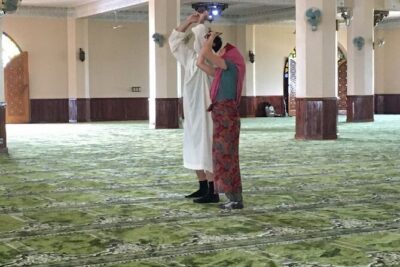
- Minaret views from Gaddafi National Mosque, after following the local dress code
- Market navigation at Owino and Nakasero, including food and everyday trading
- Old Taxi Park context, so you understand how public transport really works
- Monuments that explain names and identity, not just photos to take
- A calm pace with strong guiding, including safety-minded support
- Craft market shopping at the end, with souvenirs easy to manage
Old Kampala by Foot, Starting at the Uganda National Mosque
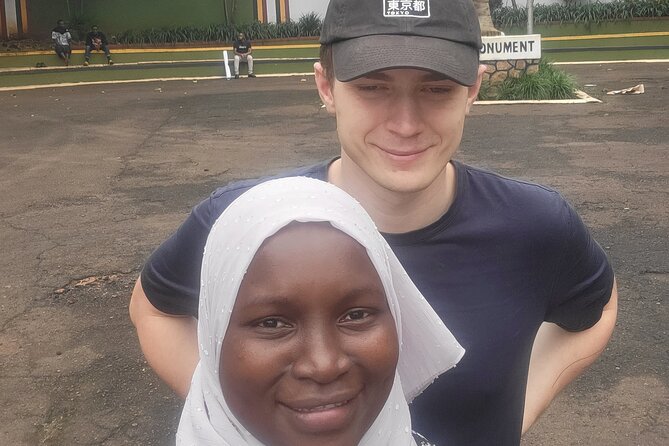
The tour begins at the Uganda National Mosque, which is a smart starting point because it quickly sets the tone for the whole walk. You’re not just collecting sights, you’re learning how different parts of Kampala fit together.
Expect a guided pace that works well for a 4-hour window. You’ll spend enough time at each stop to understand what you’re seeing, and you’ll still get through markets and monuments without feeling like you’re sprinting.
This kind of walking tour is especially good if you’re curious but don’t want to plan. Kampala can feel like a maze at first, and having someone map the route helps you get your bearings fast.
More walks through Kampala:
- Kampala Walking City Tours (Women Guided)
★ 5.0 · 115 reviews - Kampala Walking Tour (3 Hours) with Optional Gaddafi Mosque Visit
★ 5.0 · 112 reviews - Steve Kampala Walking tours (Airpals Safaris tour)
★ 5.0 · 89 reviews
Gaddafi National Mosque: Dress Code and a City View From the Minaret
One of the biggest early moments is your visit to Gaddafi National Mosque. There’s an entry fee, and you’ll need to follow the Islamic dress code before you go inside. If you arrive without appropriate clothing, your guide can help you handle the transformation smoothly, so don’t stress too much.
Inside, you’ll get the mosque story and why it matters in Kampala. Then comes the reward: access to the minaret area for some of the best views of Kampala city from up high. It’s a great moment because it gives you a sense of scale. You start seeing the city’s layout instead of only reacting to street noise.
Practical note: budget time for dress code steps and entry. This isn’t a quick stop, and it’s worth treating it like one of the core experiences.
Kabaka’s Palace to Owino Market: From Kingdom Power to Everyday Trade
After the mosque, you head toward Kabaka’s Palace, where there’s a payment required for entry and you’ll get a guided visit. This stop helps you understand the cultural and historical backbone behind Kampala’s kingdoms. You’ll also see how “power” is presented in physical space, not just in textbooks.
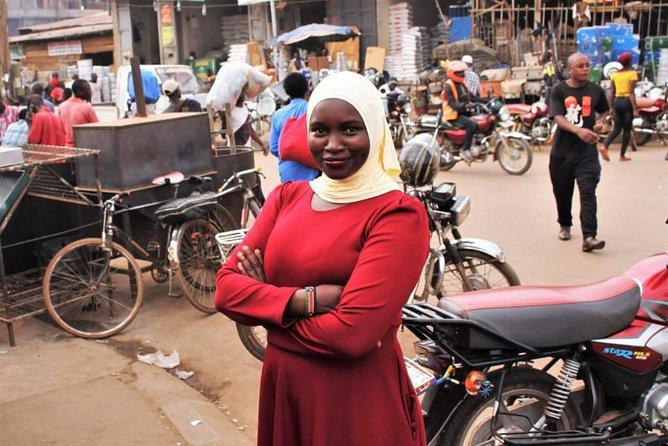
Then the tour shifts into something more street-level and real, Owino Market. This is described as Kampala’s biggest market, and it’s both food and second-hand goods. That combo is the point. You’re watching people solve daily needs and also recycle resources, all in the same neighborhood energy.
Owino can be intense if you go in alone. With a guide, you can keep your attention on what’s meaningful instead of getting stuck wondering where to look next. Expect smells, sound, and movement. Plan to enjoy the sensory overload, not fight it.
Old Taxi Park and Nakasero Market: How Transport and Food Shape the City
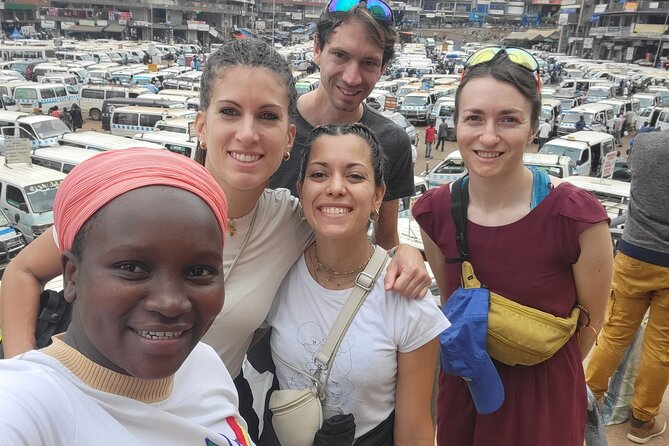
Next up is the Kampala Old Taxi Park, where you’ll get a guided explanation of how people board cars as public transport. This is one of those stops that sounds small until you’re standing there and realizing you’re seeing daily logistics at work.
There’s also an optional food moment here. If you want a break, you can stop at a restaurant for local food, or go for a rolex or coffee with a view from a balcony. Even if you don’t eat, the option matters. It lets you adjust the tour to your energy level without losing the thread.
After that comes Nakasero Market, focused on food. This part is useful in a very practical way: if you want spices, this is where you can shop. You’ll see ingredients and trading that reflect what people cook and eat across the city.
Two tips that help here:
- Move with your guide first, shop second. It prevents impulse-buys out of confusion.
- If you’re buying spices or small goods, think about how you’ll pack them for transport. Markets are fun, and sticky powder is not.
More Kampala routes to compare
- Kampala’s Best Experience walking tour
★ 5.0 · 137 reviews - Kampala: City Guided walking sightseeing Tour
★ 4.7 · 52 reviews - Inside Kampala Walking Tour (Female Guided)
★ 5.0 · 52 reviews - Kampala: 3-Hour Walking Tour with Optional Gaddafi Mosque
★ 4.6 · 50 reviews
Independence, Names, and Monuments: Sir Edward Muteesa and the Story Behind Kampala
After the markets and transport landmarks, the tour turns to memory and meaning. You’ll visit the monument of Sir Edward Muteesa, including why it was put up and what it represents. The stop isn’t only about a statue. It’s about understanding how leadership and identity are physically marked in Kampala.
Then you’ll see the Independence Monument, with history that connects to Uganda’s path toward independence. This matters because it gives you a timeline you can attach to the rest of your walking route. Without this, the monuments can feel like background.
You’ll also encounter monuments tied to naming and major attractions. The Impala monument explains the origin of the name of the city, and the Gorilla monument connects to Uganda’s famous gorilla tourism and the fact that it’s tied to national parks you can visit.
These stops are especially good if you like context. If you only want photo ops, you might move through them faster. But if you’re the type who likes to understand why a place exists in the first place, you’ll enjoy it.
Hindu Temple and the National Theatre: Learning Faith and Seeing the Kingdom Portraits
Two stops bring religion and culture to the front.
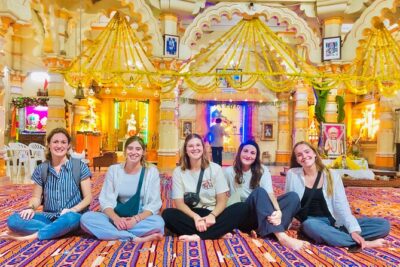
First, the Hindu Temple. You’ll learn about Hinduism and when it arrived in Uganda. It’s a reminder that Kampala isn’t one story. It’s many, stacked close together.
Then the tour moves to the National Theatre, described as the oldest theatre in Uganda. Here, you’ll see portraits of different kings in Uganda and learn about the five main Kingdoms. Even if you don’t attend performances, this stop gives you a cultural map of who ruled, how they were represented, and how those stories still show up in public spaces.
I like this section because it changes the pace again. Markets are energy. Monuments are reflection. The theatre stop lands somewhere between, where art, power, and history meet.
Bagala Craft Market Finish: Souvenirs Without the Stress
The walk ends at Bagala Craft Market, which is where you handle souvenirs. This is a practical ending because you’ve already spent the day learning what places mean. Now you can buy things that match what you’ve seen, not random souvenirs that don’t connect to your experience.
Craft markets can be hit or miss if you’re tired. But finishing here works because you still have the mental energy to choose thoughtfully. If you want small gifts, this is the time. If you want larger items, you’ll want to think about weight and packing.
A gentle rule I follow: buy one thing you truly like before you get tempted by everything else. You can always come back later, but you can’t undo a heavy bag.
Price and Entry Fees: Is This 4-Hour Walk Good Value?
At $35 per person for about 4 hours, this tour sits in the “good value if you care about context” category. The main reason is that it’s not only outdoor sightseeing. You’re getting guided visits and market access built into the route.
Admissions included are listed for:
- Owino Market
- Old Taxi Park
- Nakasero Market
- Independence Monument
- Bagala Craft Market
Not included are:
- Gaddafi National Mosque
- Kabaka’s Palace
That matters. Two of the most significant stops likely come with extra payments, so you’ll want to budget beyond the base price. The good news is the rest of the route is structured so you still get full value from markets, transport explanations, and monument storytelling even if you choose to keep spending controlled.
If you’re someone who dislikes surprises, set aside extra cash for the mosque and palace entry. If you’re okay with that, you’ll feel like $35 buys you a real guide service plus access to several core Kampala experiences.
Who This Tour Suits Best (and Who Might Skip It)

This walk is a strong match for you if you want:
- Local guided navigation through markets you might find overwhelming on your own
- A route with cultural context, not only quick photos
- English-language guiding, including answers to questions
- A paced afternoon that covers a lot in 4 hours
It may be less ideal if:
- You expect no extra entry payments at major stops
- You have limited mobility or you strongly dislike city walking
- You hate dress code requirements, especially at the mosque
On the positive side, the guide approach you’ll experience is described as patient and safety-minded. That helps a lot in a busy city environment.
Should You Book This Kampala Guided Walking Tour?
I’d book it if you want Old Kampala to make sense. The best part is the mix: mosque view and dress code rules, kingdom palace context, big-market reality at Owino and Nakasero, transport context at the taxi park, and monument stops that explain the city’s identity.
If you’re traveling with cash constraints, do the math first and set aside extra for Gaddafi National Mosque and Kabaka’s Palace. If you’re happy to follow local norms for clothing and you’re comfortable walking, this tour offers a very efficient way to see Kampala beyond the obvious.
FAQ
Where does the tour start?
You meet the guide at the Uganda National Mosque.
How long is the Kampala guided walking tour?
The tour runs for about 4 hours.
How much does it cost?
The price is $35 per person.
What language is the tour guide?
The tour guide speaks English.
What admissions are included, and what is not?
Included admissions are for Owino Market, Old Taxi Park, Nakasero Market, Independence Monument, and Bagala Craft Market. Not included are admissions for Gaddafi National Mosque and Kabaka’s Palace.
Is there free cancellation?
Yes, you can cancel up to 24 hours in advance for a full refund.
Just reviewed in Kampala
- 3 Days Murchison Falls Wildlife Safari★ 4.5 · 3 reviews
- 4-Day QENP, Gorillas in Bwindi and Lake Bunyonyi relaxation★ 5.0 · 3 reviews
- Kampala: Luxury City Tour with Hotel Pickup and Drop-Off★ 5.0 · 3 reviews
- 3 Days Private Tour in Murchison Falls National Park★ 5.0 · 3 reviews
- Exploring The Mighty Falls In Uganda★ 5.0 · 3 reviews
- Fishing Village Food Tour & Luwombo Stop★ 5.0 · 3 reviews
- 5 days gorillas and chimpanzee tracking★ 4.5 · 3 reviews
- Entebbe kampala airport transfers★ 5.0 · 3 reviews
Kampala City Walks, compared.
Kampala Walking Tour (3 Hours) with Optional Gaddafi Mosque Visit
Read our review →
Steve Kampala Walking tours (Airpals Safaris tour)
Read our review →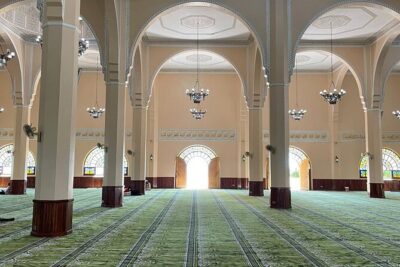

Browse the lists this tour appears in